

China Tissue Rewinding Machine: What Buyers Should Know
2026-10-20
Searching for a tissue rewinding machine in China often feels like navigating a maze of specs and suppliers. Yet the real question isn't just what to buy—it's what you'll wish you knew before signing the contract. From hidden cost drivers to the subtle differences between a machine that simply runs and one that actually performs under pressure, the gap is wider than most buyers expect. DAXIN has spent years untangling these complexities for tissue converters worldwide, and this guide distills those hard-won lessons into the essentials every buyer should know.
How Machine Width and Speed Shape Your Daily Output
The width of a machine sets the ceiling for how much material you can process in a single pass. A wider deck or drum means fewer returns to cover the same area, which quietly adds up over an eight-hour shift. But width alone won't save a slow day—speed determines how quickly that width is actually put to work. Machines that pair a broad working path with a sluggish travel rate often leave operators waiting, while narrower units with faster cycle times can surprisingly match or beat them on total area covered.
Speed is not just about moving forward. It affects the quality of each pass, especially when working with materials that need a specific dwell time to compact, cut, or spread evenly. Push too fast and you risk uneven results that require rework; too slow and you burn fuel and labor without gaining output. The real output number emerges from the overlap between these two factors—how much width you can use effectively at the pace the material and job conditions allow.
Daily output is rarely a straight multiplication of width by speed. Operators who understand their machine's sweet spot adjust one variable to compensate for the other. On open, uniform surfaces, they lean into speed while keeping the full width engaged. In tighter areas or on uneven ground, they trade speed for control without shrinking the working width unnecessarily. That constant balancing act is what separates a machine that looks productive on paper from one that actually finishes jobs ahead of schedule.
The Real Difference Between Gear-Driven and Belt-Driven Models
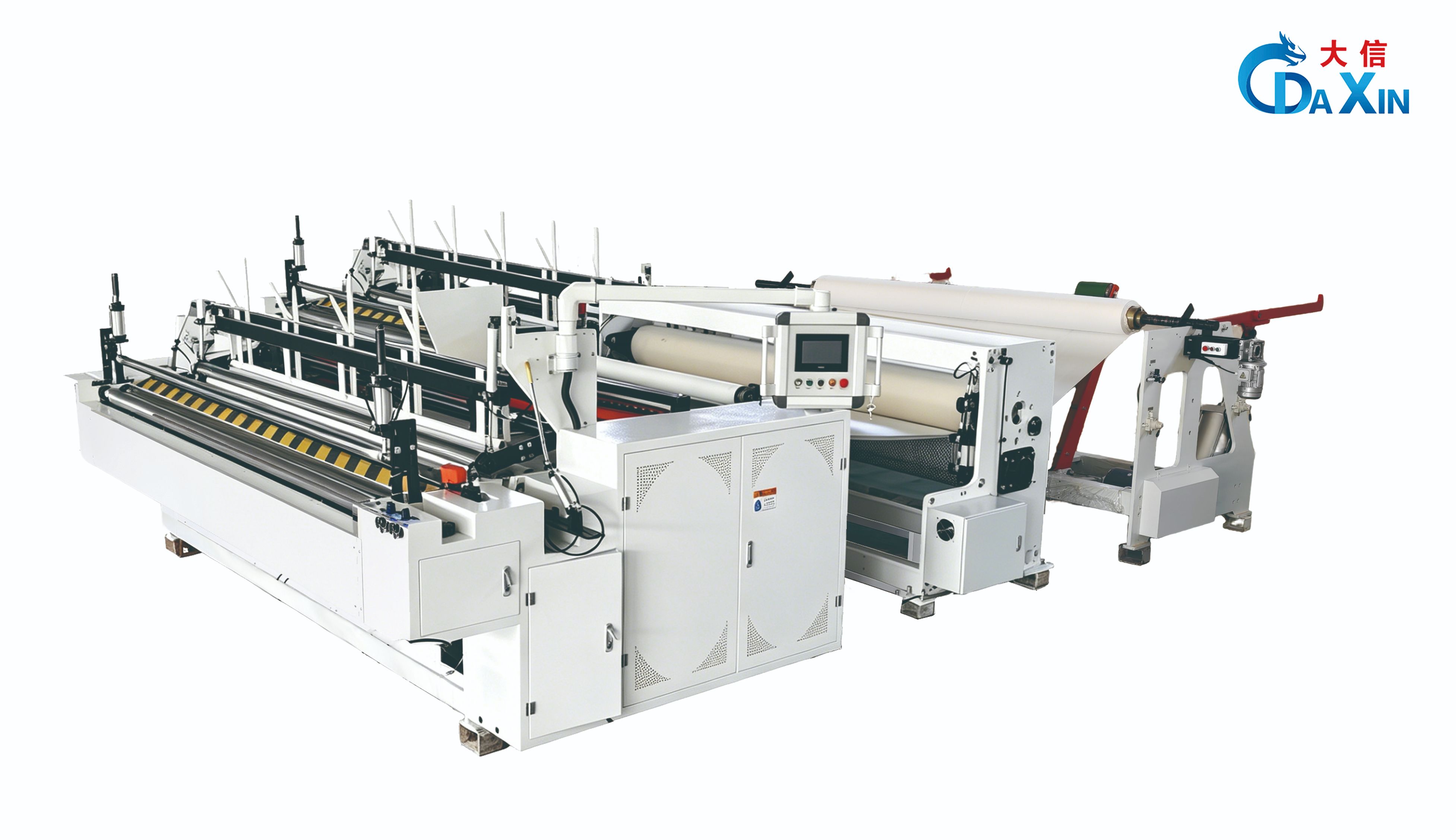
When you strip away the marketing brochures, the real difference between gear-driven and belt-driven models comes down to how they translate motor rotation into usable work. A gear-driven system relies on interlocking teeth that mesh with machined precision, which means every revolution is accounted for without slipping. That rigidity has a trade-off: if something jams, the gears won't give, so stress travels straight into the motor and mounts. Belt-driven setups, by contrast, introduce a rubber or polyurethane belt that acts like a shock absorber. The belt can stretch a tiny bit under load, which softens sudden impacts but also creates slight lag between the motor and the output shaft. That lag is often called backlash, and it's the first thing you'll notice if you switch from one system to the other.
Durability is another divider. Gears are typically made from hardened steel or brass, and when properly lubricated, they can survive decades of heavy use without needing more than an occasional oil change. Belt-driven models wear differently: the belt itself is a consumable, like a car tire, and it will eventually crack, stretch, or lose tension. On the flip side, a worn belt is far easier and cheaper to replace than a set of stripped gears. There's also the matter of noise. Gear trains produce a characteristic whine or growl, especially at high speeds, because the teeth are constantly engaging and disengaging. Belt systems run noticeably quieter and smoother, which is why they show up in studio equipment and residential exercise machines where people don't want a mechanical soundtrack.
Maintenance expectations split the two camps further. Gear-driven models often arrive sealed or semi-sealed, designed to be left alone for long stretches. But if a seal fails and contaminants get in, the damage is usually catastrophic and expensive. Belt-driven models invite more frequent, lighter-touch care: checking tension, aligning pulleys, inspecting for fraying. That accessibility makes them popular among hobbyists who don't mind a five-minute check every month. Ultimately, neither design is universally better; it comes down to whether you prioritize long-term rigidity and precision, or quieter operation and simpler field repairs.
Why Some Factories Quote Half the Price of Others
A quote that comes in at half the market rate rarely reflects a factory's generosity. More often, it signals a different set of materials. One plant might use virgin polymer, certified steel, or tight-tolerance electronic components, while the cheaper supplier sources recycled resin, thinner gauge metal, or unbranded chips that barely meet the spec on paper. The finished goods may look identical in a photo, but the long-term failure rates tell a different story.
Labor and process choices widen the gap further. Low-cost factories frequently shorten curing times, reduce cleaning between batches, and rely on piece-rate workers who rush to hit output targets. A higher-priced operation may run slower lines, perform inline inspections, and hold parts for dimensional checks. That discipline costs money, but it prevents the kind of drift that turns a bargain purchase into a field recall.
Then there are the costs that never appear on an invoice: wastewater treatment, worker insurance, equipment calibration, and after-sales support. A factory that skips these obligations can undercut rivals by 40 to 50 percent and still make a profit. The buyer pays the difference later through inconsistent batches, delayed shipments, or the need to re-qualify a new supplier when the cheap one suddenly closes.
What a Factory Audit Reveals Before You Commit
A factory's own videos and spec sheets rarely match what's actually happening on the floor. An audit cuts through the staging by checking whether the production line can truly sustain your order volume at the promised quality. Auditors look at machine maintenance logs, raw material storage conditions, and whether the QC team has the authority to stop a shipment without pressure from sales. One of the most common surprises is discovering that a factory quietly subcontracts a large share of work to smaller workshops, which often leads to uneven finishing and missed deadlines that don't show up in a brochure.
Just as revealing is how management handles problems. Do they document defects and trace root causes, or do they simply rework items and hope the next batch passes? High worker turnover, overtime records, and thin safety training attendance usually point to a factory that can't hold quality across repeat orders. Financial red flags, like overdue payments to suppliers or equipment sitting idle for months, may signal instability that could put a large deposit at risk. These concrete findings give you the leverage to negotiate or walk away before you're locked into a bad commitment.
Maintenance Demands Nobody Mentions in the Catalog
The catalog glosses over the fact that many units ship with a cheap film of oil that breaks down after the first hundred hours. You'll discover this when the gearbox starts whining and the manual tells you to use a specialty grease that no local supplier carries. Order it early, or you'll be down for a week waiting on a tiny tube that costs more than a full tank of fuel.
Then there are the hidden calibration steps. After any serious vibration—like moving the machine across a gravel yard—the touch sensors drift. Recalibration isn't in the quick-start guide; it's buried in a service bulletin from three years ago. And if you run firmware updates, expect your custom speed curves to reset to factory defaults without warning.
Also, many machines need their cooling fins blown out every few weeks in dusty conditions, but the maintenance schedule assumes a clean workshop. Ignore that, and you'll see thermal throttling that looks like a motor fault. Keep a spare set of drive belts and the odd-sized O-rings on hand, because those are the parts that fail during harvest season, not during a scheduled inspection.
Getting Replacement Parts Without Long Downtime
A machine going down is bad enough; waiting days for a simple part makes it worse. Start by identifying the components that wear out most often on your equipment, and keep at least one spare on the shelf. It costs a little upfront, but it pays for itself the first time you avoid a halted production line. For items that are too expensive to stock, build a shortlist of nearby suppliers who can deliver within hours, not days.
Another trick is to look beyond the original manufacturer. Many industrial parts have cross-reference numbers, and independent distributors often carry compatible replacements at a fraction of the price and with faster shipping. Ask your maintenance team to keep a log of part numbers and failure dates—over time this reveals patterns, so you can pre-order before a breakdown becomes a crisis.
If a critical part does fail unexpectedly, don't assume you're stuck waiting for a new one. Some repair shops can rebuild or refurbish worn components in a day or two, and rental equipment can bridge the gap while the replacement arrives. The goal isn't to eliminate downtime completely; it's to shrink it to a tolerable window.
FAQ
Look beyond the basic speed and width specs. Check whether the rewinder uses gear-driven or belt-driven transmission, the type of embossing system (steel-to-steel or steel-to-rubber), and whether the unwind stand can handle the parent roll diameters you actually use. Pay attention to the core feeding mechanism—many budget models struggle with core alignment at high speed. Also confirm if the PLC and touchscreen are from a recognized brand like Siemens, Delta, or Mitsubishi, because that affects long-term serviceability.
Request a live video walk-through of the production floor, not just a brochure. Ask to see welding, machining, and assembly areas in the same call. Genuine builders can show you partially assembled frames and their own test-running area. If they hesitate or only send the same marketing videos, you are likely dealing with a trading company. Another clue is whether they can provide drawings and a bill of materials for the control cabinet.
Always state your local voltage, frequency, and phase clearly in the proforma invoice. For Europe, 400V/50Hz three-phase; for North America, 480V/60Hz or 230V/60Hz three-phase. Specify the color code for wiring and whether you need CE, UL, or CSA components. Ask for safety interlocks on all moving guards, emergency stop positions, and overload protection for the main motor. Cheap rewinding lines sometimes skip these, and retrofitting them later costs more than the initial savings.
Typically 30 to 45 days for a standard model, 60 to 75 days if you ask for width changes, embossing upgrades, or custom unwind stands. Payment is usually 30% deposit via T/T, with the balance before shipment. Some factories ask for 50% upfront on customized orders. Avoid paying 100% in advance unless you have an established relationship. Also confirm whether the price includes packing for ocean freight—many quotes exclude seaworthy wooden crates and you only find out later.
Insist on a video acceptance test with your actual parent rolls if possible. Ask them to run the machine for at least four continuous hours and record the log of stops, splices, and finished roll weights. Have them show core alignment at maximum speed and check the embossing pattern consistency on both plies. If you cannot visit in person, hire a local third-party inspector for one or two days—it costs a few hundred dollars and catches issues like loose wiring or poor paint that videos can hide.
The most frequent issues are incorrect phase rotation, PLC parameter mismatches, and tension control drift when using local parent rolls. Keep a multimeter and a set of metric wrenches ready, and ask the factory for a startup checklist before the machine arrives. Many Chinese suppliers offer remote video support through WeChat or WhatsApp, but time zone differences mean you should schedule troubleshooting windows in advance. Spare parts like embossing rollers, bearings, and PLC relays are worth ordering with the machine because courier shipping later is expensive.
For standard toilet roll and kitchen towel converting, a well-built Chinese rewinder can cost 40 to 60 percent less than a comparable European model and still hold tolerance if you maintain it properly. The gap narrows for high-speed lines above 300 meters per minute or when you need quick changeovers between many SKUs. European machines often have better documentation and more robust servo tuning, but Chinese builders are improving rapidly. The key is to compare the same class: do not pit a basic Chinese rewinder against a fully automated European line.
Conclusion
Before you settle on a tissue rewinding machine from China, pay close attention to how width and speed interact with your daily targets. A wider parent roll and higher running speed look impressive on paper, but the real output depends on paper grade, core type, and how often the line stops for splices or log changes. Many buyers discover too late that a 2.2-meter machine running at 280 meters per minute can actually underperform a narrower, better-balanced model if the drive system isn't up to the task. Gear-driven units tend to hold tension more consistently on dense, high-gsm paper, while belt-driven designs offer smoother acceleration and easier belt replacement, though they may slip when humidity spikes. That's one reason quotes can differ by half: some suppliers cut costs by using lightweight frames, undersized bearings, or reconditioned electronics that don't show in photos.
A factory audit before you commit often exposes what catalogs leave out—like whether the assembly area is climate-controlled, whether test runs use your actual paper grade, and whether the rewinder's core locks wear quickly under high-cycle loads. Maintenance demands rarely mentioned include daily cleaning of glue applicators, weekly tension calibration, and greasing of slitter shafts that, if ignored, cause ragged edges and web breaks. Smart buyers ask about spare parts before signing: whether common wear items like circular blades, belts, and brake pads ship within 48 hours, or whether a small fault means waiting three weeks for a courier from Guangdong. Getting that commitment in writing—along with a line-specific spare parts kit and remote video support—can keep downtime to a few hours instead of several days.
Contact Us
Contact Person: Sam Xie
Email: [email protected]
Tel/WhatsApp: 86-18938538530
Website: https://www.daxin321.com/