

Oil Immersed Transformer Supplier Selection Made Simple
2026-10-26
Selecting an oil immersed transformer supplier shouldn’t feel like a gamble—yet for many procurement teams, it does. Hidden cost drivers, vague compliance claims, and delivery delays often surface only after contracts are signed. This guide makes supplier selection simple by focusing on what actually separates dependable vendors from costly missteps. At Deepwill, we’ve learned that the right questions up front save years of regret later.
Reading Past the Spec Sheet
Numbers rarely survive contact with daily use. A phone that benchmarks beautifully can still frustrate with a slippery finish or a vibration motor that feels like a dying bee. The spec sheet tells you about megapixels and milliamp-hours, but it stays silent on how the shutter button sits under your finger or whether the display dims unevenly at the edges when you read in bed.
Real impressions form in the first week, not the first five minutes. You notice that the fingerprint reader only works when your thumb is perfectly dry, or that the promised two-day battery quietly becomes a one-day habit once you enable the features you actually bought the device for. These details never appear in comparison tables, yet they shape whether you reach for the gadget with pleasure or tolerance.
Then there are the small decisions that make a product feel considered: the resistance of a hinge, the soft click of a button, the way a speaker grille doesn't collect pocket lint. Reading past the spec sheet means trusting that engineers sweated the unglamorous stuff. It's the difference between a tool you use and one you simply own.
What Factory Audits Uncover
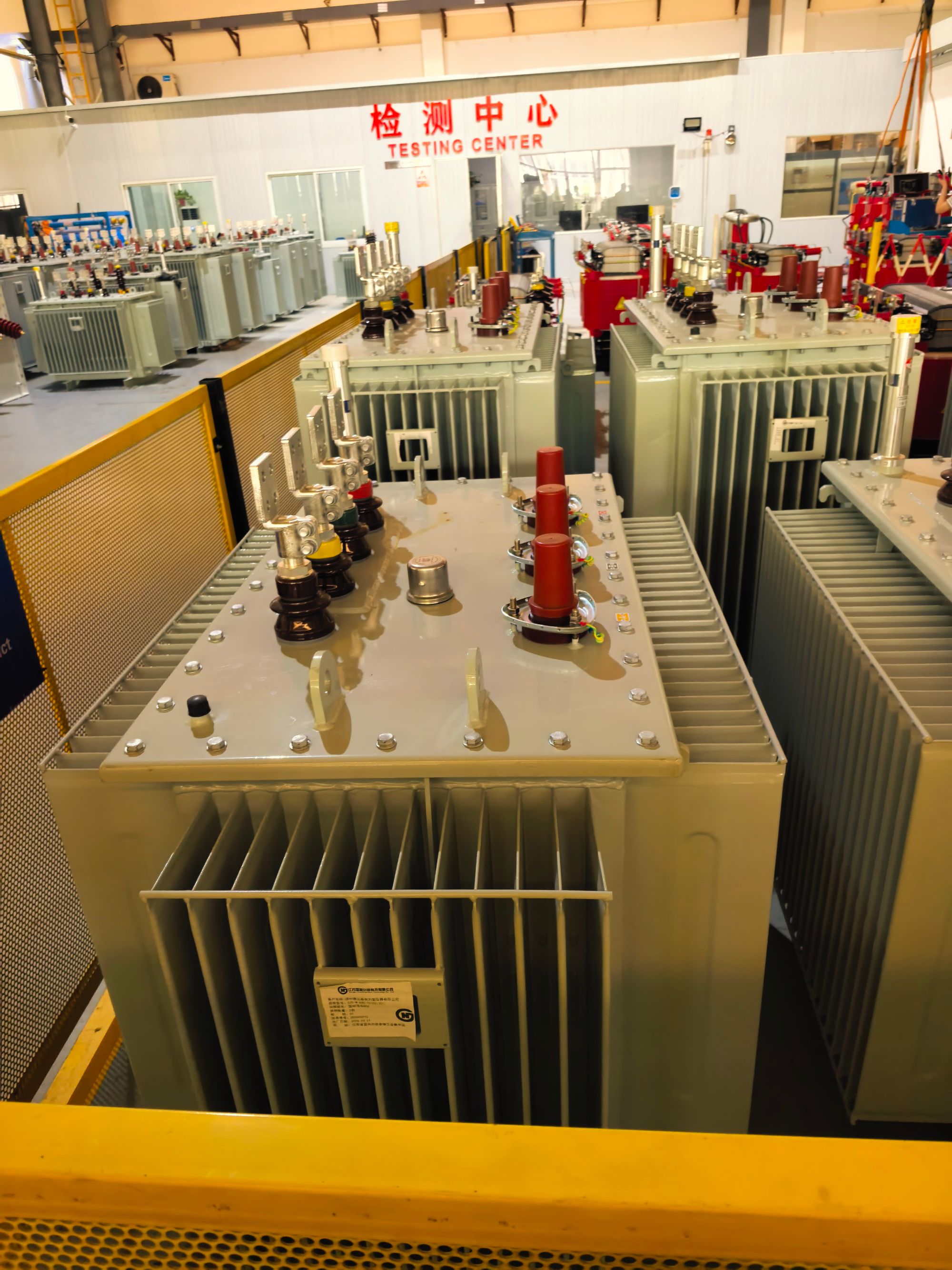
A factory audit rarely stays on the surface. It digs into records, walks the floor, and talks to workers without management hovering. What surfaces is often a mismatch between what the supplier claims and what actually happens on a daily basis. Unpaid overtime, bypassed safety checks, undocumented subcontracting, or raw materials that never matched the approved spec—these are not rare findings. The audit turns assumptions into evidence, and that evidence usually forces a hard conversation about whether the partnership can continue.
Beyond compliance gaps, audits expose how a factory handles pressure. When orders spike, do they quietly shift production to an unvetted facility? Do they cut corners on fire exits or chemical storage to save floor space? Auditors look for those stress points because they predict future failures. A clean audit during a slow season means little if the factory collapses under a rush order. The real value is seeing the operation under strain, not just on its best behavior.
Some findings are less dramatic but equally damaging: outdated equipment that drifts out of tolerance, inspection records filled in after the fact, or a quality team that exists only on paper. These details don't make headlines, but they explain why a batch fails in the field or why defect rates climb after the third shipment. A thorough audit connects those small red flags to the larger risk of doing business with that supplier.
Warranty Clauses Worth Scrutinizing
A warranty can look generous on the surface, but its real value often hides in clauses that limit coverage for “normal wear and tear” or redefine which components qualify as defective. Some policies exclude labor charges entirely, meaning you might get a free replacement part yet still pay a hefty service fee out of pocket.
Transferability is another overlooked area. If the warranty dies with the original owner, selling your device before the term ends can erase one of its selling points. Also check whether repairs can be done with refurbished parts, and whether a replacement item resets the clock or merely inherits the remaining coverage.
Pay attention to dispute resolution language as well. Binding arbitration clauses and restrictive venue requirements can make pursuing a legitimate claim expensive or impractical. Reading these sections closely before you buy gives you a clearer picture of what the warranty will actually do when something goes wrong.
The Real Cost Beyond the Quote
A quote is just the cover price. The real expense usually shows up later, disguised as delivery fees, rush charges, or the "small revision" that turns into a full rework. You approve the numbers on page one, but the invoice at the end tells a different story.
That gap between the estimate and the final bill rarely comes from dishonesty. More often it's the result of assumptions: yours about what's included, and theirs about what's standard. One party expects rounded corners; the other builds square.
Before you compare two quotes side by side, ask what each one leaves out. The cheaper option often costs more in lost time, patchwork fixes, and the quiet frustration of paying twice for something that should have been done right once.
Checking Lead Time Claims
When a supplier gives you a lead time, don't take it at face value. Many factories quote the shortest possible window to win the order, then quietly stretch it once production starts. To check a lead time claim, ask them to break down every stage from order confirmation to shipment: raw material preparation, production scheduling, quality inspection, packaging, and inland transport. If any stage looks unusually short compared to industry norms, push them to explain exactly how they achieve it.
A more reliable method is to look at actual delivery records from previous orders of similar products, not the standard lead time chart they hand out. Request the real number of days from order placement to shipment for the last three comparable jobs. If they use an ERP system or keep production tracking logs, you can ask to verify key timestamps. Be aware that some suppliers quietly exclude drawing approval or sample confirmation from their stated lead time, which can add days or even weeks before production truly starts.
You can also run a small trial order or a pre-production sample before committing to a large quantity. Watch how they perform from sampling to final delivery. This not only tests the lead time but also reveals how they communicate and handle problems. Pay attention to suppliers who always say “no problem” but never update you on progress. A well-managed factory will proactively flag potential delays instead of making excuses at the last minute.
Asking the Right References
Choosing the right references isn't about collecting the most impressive names on your contact list. It's about finding people who have actually watched you solve problems under pressure. A former manager who saw you turn around a struggling project will speak with more conviction than a senior executive you met once at a networking event. Think about the moments that best showcase your judgment, resilience, and ability to collaborate, and then identify who was in the room when those moments happened.
Before you put anyone's name forward, have a short conversation with them about the role you're pursuing and why you believe you're a strong fit. This accomplishes two things: it lets the reference tailor their comments to the specific opportunity, and it gives them a graceful exit if they don't feel they can be genuinely positive. A lukewarm reference can quietly undermine your candidacy, so it's better to know early than to be surprised later.
Timing matters as much as selection. Ask early enough that no one feels rushed, but not so early that the details fade from memory. After they agree, send a brief follow-up email with your current resume, the job description, and two or three concrete strengths you'd appreciate them highlighting if they feel comfortable doing so. Then step back and let them speak from their own experience. The most persuasive references sound natural, not rehearsed.
FAQ
Request the latest type test certificates for the specific kVA range, ISO 9001 and ISO 14001 certificates, a list of references from the past three years, and written warranty terms that cover core and coil for at least five years. Also ask for their standard inspection and test plan so you can see if routine tests match IEC 60076 or IEEE C57.
Ask the supplier to provide a copy of a recent routine test report for a transformer of similar rating, not just a design calculation. Compare the losses with the guaranteed values and check the tolerance limits. If possible, arrange a third-party witness test during factory acceptance; this usually reveals whether the quoted figures were optimistic.
Look for vague references to core steel grade, missing information on copper conductor cross-section, reluctance to share manufacturing process details, and a refusal to allow pre-shipment inspection. Extremely low oil volume or tank weight for the same kVA can also indicate reduced cooling surface or thinner steel.
Define the actual load cycle, maximum ambient temperature, harmonic content if any, and whether occasional overloads are expected. Clarify if natural cooling is enough or if forced air or forced oil cooling will be needed. These factors affect the tank design, oil volume, and accessory selection.
Not automatically. A local supplier may offer faster service and easier spare parts, but an overseas supplier with strong local representation can still perform well. Evaluate the distance to the nearest service center, inventory of critical spares, language support during commissioning, and past project experience in your region.
Ask for the oil type, whether it is mineral oil, synthetic ester, or natural ester, and request the test parameters for breakdown voltage, moisture content, acidity, and dissolved gas analysis before filling. Also confirm whether the oil will be filled at the factory or on site, because site filling requires extra care and testing.
Convert the losses into a capitalized cost using your local electricity price and expected loading hours, then add that to the purchase price. Make sure both quotes follow the same impedance, tap range, cooling class, and list of accessories, otherwise the comparison will be misleading.
Look for installation supervision, commissioning support, oil testing after transport, a clear spare parts list with recommended stock levels, and a written response time for emergency service. Ask how they handle warranty claims and whether they provide training for your maintenance staff on oil sampling and basic testing.
Conclusion
Choosing an oil immersed transformer supplier rarely hinges on glossy brochures or a spec sheet that ticks every box. Dig into the fine print: does the temperature rise limit match your actual load profile, or is it just a nominal value? Factory audits often reveal more than paperwork ever will—look for winding consistency, core stacking precision, and the way workers handle insulation. A clean, organized floor with calibrated testing equipment is a stronger signal than any certificate. When it comes to warranty clauses, skip the vague “workmanship” language and pin down what happens if a bushing fails or a leak develops after commissioning. Ask whether the warranty covers labor, freight, or just replacement parts. The real cost beyond the quote includes oil treatment, drying out time, and the inevitable site adjustments. If a supplier quotes rock-bottom but cannot explain how they manage copper losses, you will pay later in wasted energy.
Lead time claims deserve the same skepticism. Ask for a production schedule with milestone dates rather than a simple “eight weeks.” Check whether the supplier has past order backlog or relies on third-party tanks and radiators. A credible supplier will name the exact week for core cutting, winding, tank welding, and testing. Finally, ask references the right questions: not “were you satisfied?” but “how did the transformer perform during a voltage dip?” or “what happened when you needed a spare gasket at 2 a.m.?” A supplier that survives that kind of inquiry is one you can actually trust. Simplify the selection by treating the process as a conversation about failure modes and real operating conditions, not a checkbox exercise.
Contact Us
Contact Person: Julion
Email: [email protected]
Tel/WhatsApp: 8617351370631
Website: https://www.deyunelectric.com