

Rubber Machinery Supplier Evaluation Tips for Modern Plants
2026-10-26
Selecting the right rubber machinery supplier can make or break a modern plant's efficiency, yet many decision-makers still rely on outdated checklists. From hidden lifecycle costs to inconsistent after-sales support, the pitfalls are easy to overlook until production stalls. That's why we've distilled field-tested evaluation criteria that go beyond glossy brochures and sales promises. Whether you're expanding capacity or replacing aging lines, these practical tips will help you spot red flags early and build a supplier partnership that actually scales with your operation. And if you're looking for a partner that already checks these boxes, AUGU AUTOMATION has been quietly setting the benchmark for modern rubber processing lines.
Look past the spec sheet at what actually happens on your floor
Spec sheets love impressive wattage, suction pressure, and bin volume, but none of that matters when you're chasing a trail of dry rice that scattered under the kitchen cabinets. On your actual floor, the real test is how the machine handles the awkward gap between the fridge and the wall, or whether it can steer around chair legs without spitting debris sideways. Those tiny, frustrating details never make it into the brochure.
Another thing manufacturers won't tell you is that your floor isn't one uniform surface. The hallway rug behaves nothing like the smooth tile by the front door, and the area where your dog naps always has a fine layer of hair that seems glued down. You need to watch how the device transitions between those zones, because the motor might scream in the lab but stall half a centimeter before the carpet edge at home.
Over a few weeks, the difference also shows up in maintenance. A clean-looking demo unit won't reflect what happens after three rounds of coffee grounds and pet litter have worked through the brush roll. If you have to stop and untangle it every ten minutes, or the filter becomes a brick after two runs, the real floor performance is already telling you everything the specs left out.
Ask about response time before you sign the contract
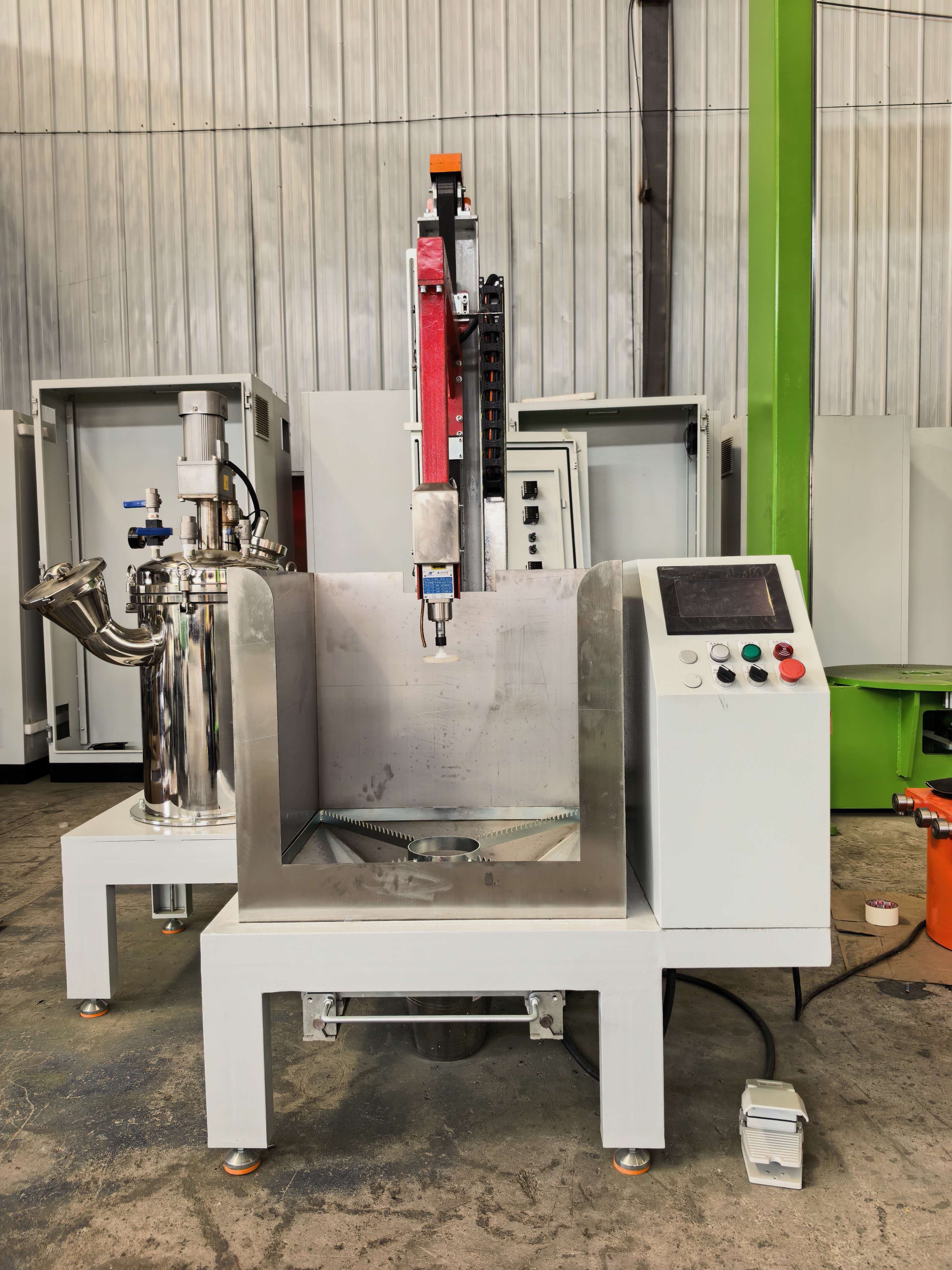
Most vendors will quote a response time during sales conversations, but that number often reflects best-case scenarios, not what happens on a random Tuesday afternoon. Before you sign, ask how response time is measured: from the moment a ticket is opened, from first human reply, or from when work actually begins. The distinction matters more than the headline number.
Also pin down whether the stated window applies around the clock or only during standard business hours. A "two-hour response" means little if your system fails at 3 a.m. and the provider doesn't start the clock until 9 a.m. Ask for examples of recent incidents and the actual response times logged, not just the SLA on paper.
Finally, get the guarantee in writing with consequences if they miss it—service credits, escalation paths, or the right to exit without penalty. Without that, a response time promise is just a marketing phrase. A vendor that hesitates to commit is telling you something useful before you sign.
Check how their machines integrate with your existing control systems
A machine that can't talk to your current PLCs, SCADA, or MES will create a data silo from day one. Look closely at whether the vendor supports standard industrial protocols like OPC UA, Modbus TCP, or EtherNet/IP out of the box, not just through an expensive add-on gateway. Ask for a written integration map showing exactly which points, tags, and alarms can be exchanged bi-directionally with your existing control layer. Without that clarity, you'll end up with manual workarounds and duplicate data entry that quietly erode efficiency.
Equally important is how the integration behaves under real operating conditions. Does the machine expose its status and diagnostics in a format your maintenance team can already read, or will you need to build custom middleware just to see why a cycle stopped? Some newer equipment comes with REST APIs or MQTT support, which can simplify connecting to higher-level systems, but those interfaces need to be documented, versioned, and secured. A quick pilot test with a few sample reads and writes will reveal more than any spec sheet.
Finally, consider the long-term cost of keeping that integration alive. Control system upgrades, network segmentation changes, or a new ERP rollout can break machine connections if the integration is rigid. The best vendors offer configuration tools that let your own engineers adjust tag mappings, scaling, and alarm routing without calling in a service engineer. If the answer to "can we change this ourselves?" is no, that machine will become a recurring consulting line item.
Demand a trial run with your own rubber compound
Most suppliers will hand you a stack of cured slabs and expect you to trust the data sheet. Your mixer, your mold temperatures, your operators, and your scrap rates don't read data sheets. Ask for a trial run with your own rubber compound—same batch, same filler, same cure package. That single run exposes fit issues no generic sample can show.
A trial isn't about lab performance. It's about how the stock feeds, scorches, releases, and trims on your actual line. Maybe the viscosity is too high for your injection screw, or the green strength is too low for your building drum. You'll only know when your crew runs it under normal cycle times, not when a lab tech presses a neat little button.
Make the demand specific: bring your own masterbatch, your own regrind ratio, your own mold release, and watch every cycle from first shot to demolding. If a supplier stalls or offers a "close enough" off-the-shelf compound, that tells you everything. A real partner will load your material into the hopper and let you judge the result yourself.
Find out who shows up when the line goes down at 3 a.m.
When the network dies at 3 a.m., the first voice on the call isn't a manager quoting policy. It's the engineer who left a spare cable in the truck last week, or the night-shift tech with coffee breath and a flashlight. These are the people who actually know which switch fails when the rain hits, and they don't wait for permission to start tracing the fault.
You won't see their names in the outage report until page three, buried under headings like 'first responder' or 'on-call resource.' But they're the ones who drove past three closed gas stations to get a replacement part. They're the ones who rebooted a server with one hand while holding a ladder steady with the other. Their loyalty isn't to a slogan on the wall—it's to the habit of fixing things so the morning crew can log in without a hitch.
So next time the line goes dark and the clock reads 3 a.m., watch who answers the phone. It won't be the person with the biggest office. It'll be the one with a worn toolkit, a list of backup contacts, and a stubborn refusal to let a blinking red light win. That's your real infrastructure.
Compare energy consumption over five years, not just purchase price
The price tag on an appliance is only the opening line of a much longer bill. Two machines can sit side by side with a fifty-dollar difference upfront, yet the cheaper one might consume enough extra electricity each year to erase that gap by the second summer. By the end of five years, the so-called bargain has quietly cost you more than the model you almost bought.
Pull up the estimated yearly energy use for each option. Multiply that by your local rate per kilowatt-hour, then multiply by five—or better yet, look up the expected cost over five years if the label provides it. A small difference per cycle or per load compounds quickly in a busy household. If your rates rise during those years, the gap widens even further, making the efficient choice the one that actually protects your budget.
FAQ
Start with their experience in rubber-specific processes like mixing, extrusion, and molding, not just general industrial equipment. Ask for detailed references from plants producing similar rubber goods and check how their machines handle viscosity, scorch time, and temperature control.
For modern plants it is often a dealbreaker. The supplier should offer PLC or PC-based controls with open protocols like OPC UA or MQTT so the line can feed real-time data into your MES or ERP. Avoid vendors whose machines lock you into closed software.
Request specific energy-per-kilogram or energy-per-cycle figures under your typical operating conditions, not just motor nameplate ratings. Look for features like variable frequency drives, heat recovery from curing systems, and standby modes that reduce idle consumption.
Ask for a service-level agreement draft, average response time for emergency calls, local spare parts inventory, and whether they offer remote diagnostics. Also phone two or three existing customers and ask how quickly issues were resolved after commissioning.
Purchase price can be as little as 50 to 60 percent of ten-year total cost of ownership. Evaluate wear part life, maintenance intervals, expected downtime, and energy use. A slightly more expensive machine with longer service intervals and lower energy draw often pays back within three years.
Yes, and make it specific. The factory acceptance test should use your own rubber compound or a close proxy, not the supplier's easy demo material. Define pass or fail criteria for throughput, temperature uniformity, scrap rate, and safety interlocks before signing off.
Check modularity in design. Ask whether you can add more cavities, change screw configurations, or retrofit sensors later. Request examples where the equipment was repurposed for a different rubber product line. Fixed single-purpose machines often become bottlenecks when your product mix changes.
Request full CE or equivalent local certification, risk assessments for all operating modes, lockout and tagout provisions, and documentation for hydraulic and thermal hazards. If the supplier is vague about safety documentation, treat it as a red flag for hidden retrofit costs.
Conclusion
Choosing a rubber machinery supplier for a modern plant goes far beyond comparing catalog specs. The real test happens after installation, when your operators push a new mixer or extruder to its limits with compounds that often behave unpredictably. A supplier worth keeping will not only welcome a trial run using your own rubber stock but will also stand behind how the machine interacts with the control architecture you already run. If their engineers talk vaguely about protocol compatibility or response times only after the purchase order is signed, that is a warning sign. Ask bluntly what happens when a line halts at three in the morning: who answers, how fast they arrive, and whether they bring parts instead of just questions.
Energy use is another place where a cheap upfront price hides long-term cost. Compare five-year consumption figures for comparable throughput, because even a small efficiency gap adds up quickly in a round-the-clock production environment. The supplier's behavior during the selection phase tells you a lot. They should ask about your floor layout, your existing PLC setup, your maintenance crew's skill level, and the specific viscosity range of your compounds. If they do not, keep looking. A machine that looks strong on a spec sheet but fights your process, waits hours for remote support, or draws more power than promised will erode margins faster than any purchase discount can recover. Choose the partner who proves they understand your plant as it runs, not as it appears in a brochure.
Contact Us
Contact Person: Lareina
Email: [email protected]
Tel/WhatsApp: +86 17561696737
Website: https://www.auguauto.com/