
Superman Costume Shop Buying Guide for the Ultimate Hero Look
2026-09-12
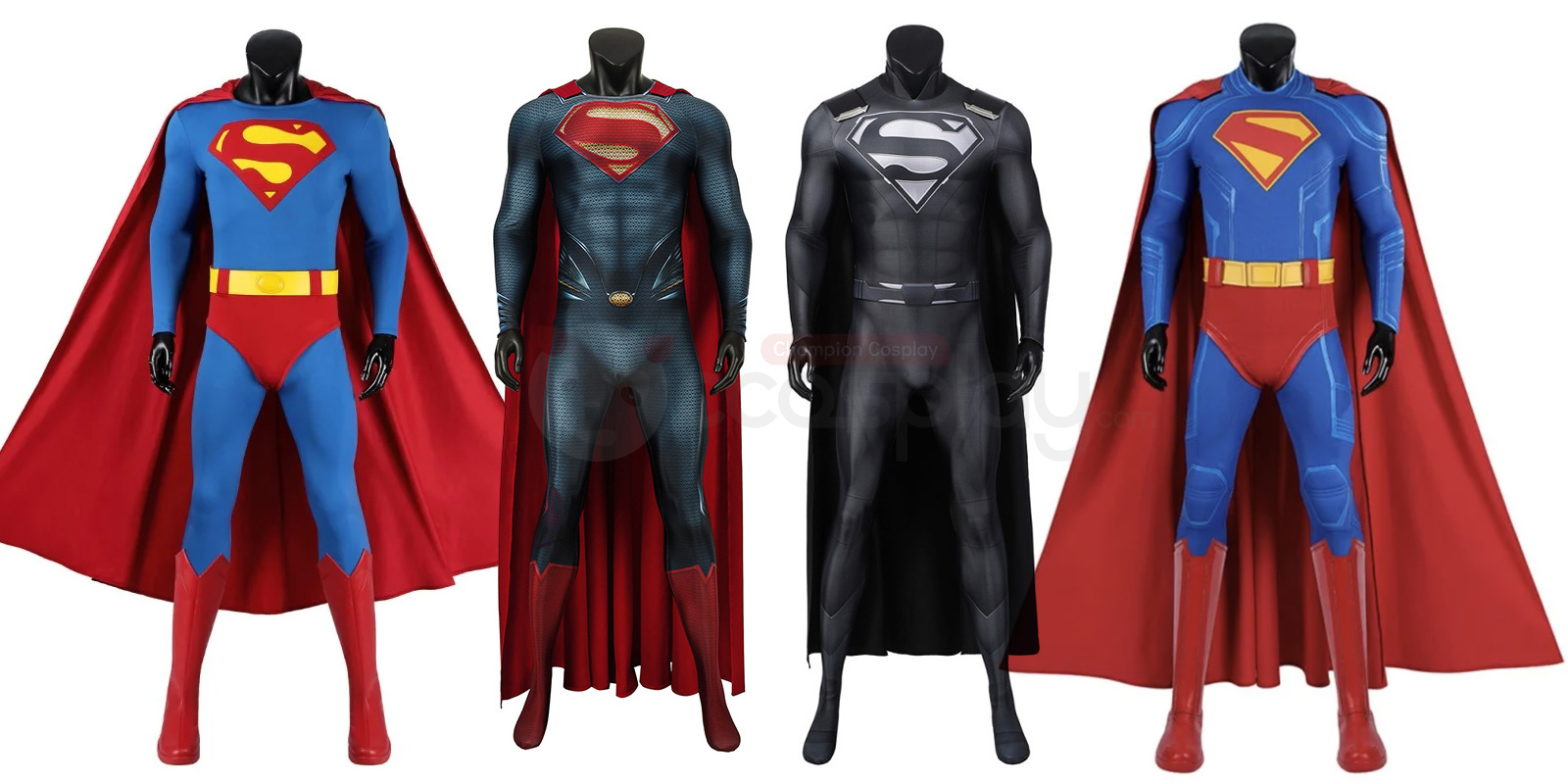
You don’t need superpowers to nail the ultimate hero look—you need a costume that fits like it was tailored in the Fortress of Solitude. This Superman costume shop buying guide cuts through the cheap capes and flimsy emblems, focusing on the details that make you stand tall at any con or party. At CCosplay, the goal is simple: help you choose a suit that looks heroic from every angle. Here’s what to check before you commit.
Cape First, Questions Later
There's a kind of person who waits until every possible question has a written answer before moving. They rehearse, outline, and double-check, convinced that certainty is a prerequisite for action. "Cape first, questions later" flips that instinct. It's not about being reckless or ignoring consequences—it's about recognizing that some answers only appear once you're already in the air. The cape is a reminder that you can choose the identity of someone who acts before you've earned the title. Confidence isn't a prerequisite; it's a byproduct of motion.
When you put the cape on first, you give yourself permission to be a beginner in public. You start the project before you know how to finish it. You raise your hand before the perfect phrase forms. You say yes to the strange opportunity and figure out the details on the way down. The questions don't disappear—they just stop being roadblocks. Afterward, they become useful reflections: What worked? What would I do differently? Those questions have traction because they're grounded in something real, not imagined. Waiting for a guarantee is how you stay in the chair. The cape gets you out of it.
The Padding Rabbit Hole - Less Is Often More
It starts innocently enough — a little extra breathing room here, a touch more space there. But before you know it, you're tweaking padding values on nested containers and wondering why the layout feels bloated. Padding has a sneaky way of compounding, especially when multiple elements each claim their own generous share.
The real trap isn't just visual. Excessive padding fragments content, pushes important elements below the fold, and forces users to scroll more than they should. On smaller screens, that roomy comfort turns into cramped, awkward line breaks. Less padding often restores rhythm and lets the actual content carry the weight.
A good rule of thumb: start with tighter spacing and only add more if the design genuinely suffers without it. You'll be surprised how often a modest reduction makes everything feel cleaner, faster, and more deliberate. Padding should guide the eye, not demand attention.
Boots - Where Comfort Meets the Comic Panel
Most boots promise comfort. These ones promise a storyline. The moment you lace them up, there's a subtle shift—like stepping out of a splash page and into your own day. The cushioning doesn't just soften each step; it sets the pace for scenes that haven't been drawn yet.
The design borrows its energy from comic panels: bold outlines, playful contrasts, and small details that reward a second glance. But nothing here is just for show. The arch support holds up through long walks, the lining breathes when the action picks up, and the sole grips like a well-timed plot turn.
Walking in them, you start to notice the in-between moments—the splash of rain on pavement, the shadow cutting across a crosswalk. That's the point. These boots don't just carry you from place to place; they turn ordinary movement into small panels worth remembering.
Hidden Zippers and the No-Bunch Promise
The side seam disappears completely thanks to a concealed zipper that sits flat against the body. Instead of adding bulk, it follows the natural line of the garment, so there’s no pulling or puckering around the waist. You get a clean, uninterrupted silhouette from every angle.
We’ve also reworked the seam allowance and zipper tape to eliminate the dreaded front bunch. The fabric is cut and folded in a way that lets the placket lie smooth even when you sit, stand, or move through a full day. It’s the kind of detail you’ll notice only by its absence—no bunching, no stiffness, just a fitted shape that stays put.
Emblem Placement - An Inch Off Ruins Everything
Most people never notice the ruler work behind a properly set emblem, but their eyes catch the mistake instantly. The badge, patch, or crest isn't just pinned somewhere near the chest; it's measured against seams, pocket edges, and collar lines. A half inch too high and the whole garment starts to feel top-heavy. A half inch too low and it drags the eye toward the stomach. The difference is small enough to ignore in a mirror check at arm's length, yet glaring when the person turns or sits.
On uniforms especially, the placement rules exist because symmetry breaks fast. If the emblem center sits one inch left of the breast pocket's center line, the nameplate on the opposite side looks like it belongs to a different shirt. If the top edge tilts even slightly, every photo taken from a three-quarter angle makes the wearer appear slouched. Tailors and uniform shops will redo the stitching over a single missing thread, not because they enjoy fussing, but because that tiny error reads as carelessness from across a room.
There's also a strange psychological effect: viewers often can't say what's wrong, but they trust the person less. The off-center emblem triggers the same quiet unease as a crooked picture frame or a misbuttoned jacket. Authority, team pride, or brand polish gets undercut by something no one consciously measures. That's why the inch matters. Not for the ruler's sake, but because the eye knows the standard even when the brain doesn't.
After the Save - Washing Without the Wrinkle
Most wrinkles set in during the final spin, not the wash itself. If your machine lets you dial down the spin speed, use the lowest setting that still gets clothes damp-dry—heavy cottons can take a faster spin, but lighter blends and dress shirts fare better at 400–600 rpm. Then, instead of leaving the load to sit, give each item a sharp snap before it goes into the dryer or onto a line. That one motion realigns the fibers while they’re still pliable, so the fabric dries smooth instead of creased.
Sorting by fabric weight matters more than color when wrinkle prevention is the goal. Denim and towels release water quickly and can over-dry lighter synthetics, baking in creases. Pull out anything made of rayon, modal, or thin cotton the moment the wash ends, smooth it flat on a towel, and roll it up like a yoga mat—gentle pressure removes excess water without twisting fibers. For the dryer, skip the auto-dry sensor and set a timer for 15 minutes less than you think the load needs, then finish on a hanger while the garment is still slightly damp.
If you do end up with a few stubborn creases, don’t reach for the iron right away. Hang the item in the bathroom while you shower, or mist it lightly with water, smooth the fabric with your hands, and let it air-dry. The weight of the water relaxes the threads without heat damage, and you’ll avoid the flat, over-pressed look that screams ‘just ironed’.
FAQ
A heavyweight spandex blend with a matte finish usually gives that sculpted look while letting you move. Cheap shiny polyester will make you look like a party city reject, so check for four-way stretch and reinforced seams.
Separate boots with a covered heel give a more heroic silhouette. Printed boot covers can bunch at the ankle, so if you go that route, get ones with silicone grips and a hidden zipper.
Make sure the costume has a high spandex content and consider ordering a size down if you're between sizes. Many people mistakenly go too large for comfort, but a snug fit actually looks more like the comics.
Never trust one size fits all capes. For floor-length drama, the cape should end about an inch above your heels. Measure from shoulder to mid-calf if you want easier walking.
It depends on your build. If you're already broad-shouldered, skip the padding because it can look lumpy under certain lighting. For leaner frames, targeted foam padding in the chest and shoulders helps but avoid the built-in ab plates that look fake when you sit.
I wouldn't. Hand wash in cold water with mild detergent and turn it inside out. Heat from a dryer will crack the S shield and fade the blue, so air dry only.
Look for capes with shoulder snaps or a hidden collar loop instead of a tie around the neck. If you're buying a separate cape, ask for a quick-release buckle system.
Yes, order based on chest and waist measurements, not age labels. Kids' suits often run narrow, so go up one size if they plan to wear a shirt underneath for Halloween weather.
Conclusion
Most shoppers walk into a Superman costume store convinced they need the bulkiest muscle chest and the flashiest cape clasp. Fight that urge. The cape should be the starting point, not an afterthought—it changes how you move, how you stand, and how the whole silhouette reads from across a convention hall. If the drape is wrong, even the best padding won't save the look. And on padding: the rabbit hole is deep, but more foam rarely means more heroic. A slim, well-tailored muscle layer reads as athletic; an overstuffed torso makes you look like a parade float. Less is often more, especially once you sit down or try to get through a doorway.
Boots are where comfort quietly decides whether you last three hours or thirty minutes. Look for hidden zippers that keep the front seam clean and prevent the fabric from bunching at the ankle—that no-bunch promise is the difference between a comic-accurate leg line and a wrinkled mess. Just as critical is emblem placement. The shield can be an inch too high or too low and the whole costume suddenly feels off, even if nobody can say why. Take reference photos and measure twice. After the save, skip the dryer. Hand-wash cold, reshape the cape, and hang everything flat to dry. Press only on low heat with a cloth over the emblem, or you will end up with a shiny, cracked chest symbol that ruins every future photo.
Contact Us
Contact Person: Sunny
Email: [email protected]
Tel/WhatsApp: +86-180-1086-8579
Website: https://www.ccosplay.com