
Top Outdoor Wall Tiles for Stunning Exterior Makeovers
2026-10-13
Few upgrades transform a home’s exterior as dramatically as the right wall tiles. The right pick can turn a plain facade into a standout, while the wrong one can fade or crack within a couple of seasons. That’s why narrowing down the top outdoor wall tiles for stunning exterior makeovers isn’t just about color and texture—it’s about weather resistance, maintenance, and how the material works with your architecture. Whether you prefer rugged stone, sleek porcelain, or something more contemporary, the options ahead are chosen for real-world performance and lasting curb appeal. If you’re looking for quality tiles that balance style with durability, Beata Ceramics offers collections worth exploring.
Why Porcelain Leads the Pack for Weatherproof Facades
Ask any facade engineer who has dealt with spalling brick or warped composite panels, and the appeal of porcelain becomes obvious quickly. Porcelain is fired at temperatures high enough to fuse its mineral particles into a dense, nearly non-porous body. That translates to water absorption rates often below 0.5%, which means rain, snow, and humidity simply slide off instead of seeping in. In climates with repeated freeze-thaw cycles, this is the difference between a facade that stays intact for decades and one that starts cracking after a few winters.
Unlike timber, fiber cement, or even many natural stones, porcelain doesn't need sealers, paints, or periodic re-coating to keep moisture out. Its color and finish are baked through the entire thickness, so UV exposure won't fade it, and surface scratches don't reveal a different substrate. For coastal projects, salt spray and wind-driven rain are also non-issues because the material is chemically inert and won't corrode, pit, or chalk the way metal panels or some concrete products can. That low-maintenance reality is a major reason architects keep specifying it for high-rise envelopes and rainscreen systems.
There's also a practical advantage in how porcelain integrates with modern ventilated facades. Large-format panels can be installed as a rear-ventilated rainscreen, creating an air gap that helps manage moisture and thermal movement behind the cladding. Because porcelain is so dimensionally stable—it barely expands or contracts with temperature swings—joints stay tight and sealants last longer. Combine that with a wide range of textures and through-body colors, and you get a weatherproof skin that doesn't look industrial or repetitive.
Natural Stone Textures That Add Instant Curb Appeal
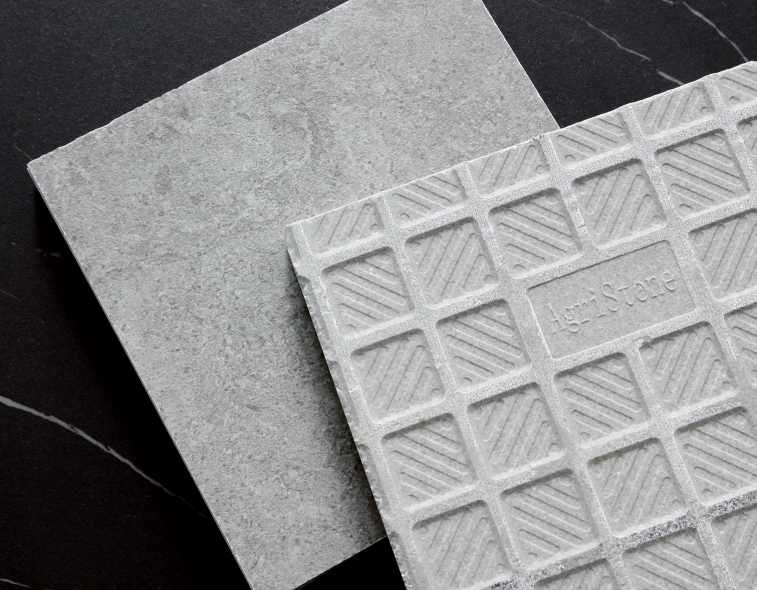
I’ve watched homeowners circle back to natural stone time and again after stucco or vinyl leaves the front of a house feeling one-dimensional. A split-face ledger panel is the quickest way to break that flatness. The rough edges catch light at different angles all day, so the entryway shifts from bright to shadowed without any extra effort. It makes a house look like it’s been there longer than it actually has.
Not every stone needs to shout. Honed limestone around the front door softens the line between porch and threshold, while a flamed granite walkway offers real grip underfoot without turning gritty. Stacked quartzite under a window can do more than a gallon of paint because the mineral colors shift from gray to warm brown depending on the weather. That kind of change keeps the facade from feeling static.
The real trick is contrast. Put a rugged fieldstone column next to smooth stucco, or cap a painted porch with tumbled travertine. The mix of matte and rough surfaces makes the whole front look layered on purpose, not like an afterthought. Most people won’t be able to name exactly why it works—they’ll just know the house feels more solid and less like every other one on the street.
Mixing Tile Sizes and Patterns for a One-of-a-Kind Look
Forget the rigid grids that make every room feel stamped from the same mold. A floor or wall that pairs oversized slabs with slender strips creates a rhythm your eye can't help but follow, especially when the grout lines shrink to near invisibility. Try laying twelve-by-twenty-four-inch tiles next to slim two-inch mosaics—the contrast alone feels deliberate, even if you're just improvising.
Pattern clashes work best when one player stays quiet. If you've fallen for a busy encaustic-look tile, let it occupy a single band or a random scatter, then surround it with a calm, large-format stone in a similar undertone. That way the wild moment reads as a choice, not a accident. You get the energy without the visual noise.
Scale matters more than you think. In a small bath, two competing large patterns can make the walls close in, but a narrow strip of decorative tile running vertically draws the eye up and tricks the ceiling into feeling taller. Mix widths, not just designs—a six-inch plank alternating with a three-inch square breaks the monotony without adding a single extra color.
Budget-Friendly Outdoor Tile Ideas That Don’t Skimp on Style
You don’t need to spend a fortune on natural stone to get a high-end look outdoors. Concrete pavers with textured surfaces or through-body color can mimic slate and limestone for a fraction of the price, and many home centers now carry large-format porcelain tiles rated for exterior use with convincing wood-grain and stone prints that often run under three dollars per square foot. Keep the layout simple—a straight grid rather than a herringbone or diagonal pattern—to reduce cutting time and material waste.
Salvage yards, overstock outlets, and online marketplaces are gold mines for leftover or discontinued ceramic, quarry, and cement tiles at less than half of retail cost. Buying a mixed lot of two or three compatible solid colors lets you create a checkerboard, stripe, or random mosaic that looks intentional and custom. For patios and garden paths, irregular limestone or slate offcuts set directly into sand or gravel require no mortar and can be lifted and rearranged whenever you want a change.
If you have a tired concrete slab or balcony, peel-and-stick outdoor deck tiles provide a fast, low-cost refresh. Many are made of wood composite or rubber with built-in drainage channels and snap together in an afternoon for roughly two to five dollars per tile. For a warmer, old-world feel, unglazed terracotta or plain cement tiles with a simple contrasting border cost little and develop a lovely patina over time—just apply a penetrating sealer once a year to keep them looking their best.
Slip-Resistant Finishes That Keep Exteriors Safe Year-Round
Wet stone, packed snow, or a thin layer of morning frost can turn a walkway into a hazard before anyone notices. Smooth concrete and polished tile look sharp but offer almost no grip once moisture or ice settles in. Slip-resistant finishes directly address this by adding micro-texture to the surface, whether through broadcast aggregates, etched profiles, or polymer coatings with suspended grit. These aren't temporary fixes like sand or salt; they become part of the material itself, keeping traction consistent across seasons without daily reapplication.
Different exterior surfaces call for different approaches. For existing concrete, an epoxy or acrylic sealer mixed with aluminum oxide or silica particles can be rolled on, creating a durable rough layer that resists wear from foot traffic and snow shovels. Natural stone often benefits from honing or bush-hammering to open up the surface pores, while wood decks might receive a penetrating oil with fine aggregate additives that don't obscure the grain. In high-moisture areas prone to algae or moss, some finishes also include antimicrobial additives to prevent the slimy biofilm that makes even textured surfaces slick.
Choosing the right product means thinking about both the substrate and the climate. A coarse broadcast system might feel too aggressive for bare feet around a pool, while a lightly textured penetrating sealer could be insufficient for a sloped driveway in heavy snow country. Regular cleaning matters too: embedded dirt and decomposed leaves can fill in the texture over time, reducing effectiveness. By matching the finish to the specific wear patterns and weather exposure of each area, you get a surface that stays safe through rain, freeze-thaw cycles, and everything in between.
From Rustic to Modern: Matching Tiles to Your Home’s Personality
Rustic spaces thrive on texture and warmth. A farmhouse kitchen or cottage bathroom feels right with tiles that carry visible grain, uneven glazes, and earthy shades—think terracotta, slate, or matte ceramic that resembles reclaimed wood. Handmade zellige tiles with their soft color variations add character without trying too hard; they ask to be touched, and their slight imperfections keep a room grounded. Pair them with wider grout lines to lean further into that aged, lived-in feel.
Modern interiors want the opposite energy: clean lines, consistent color, larger formats. A polished porcelain slab in charcoal or bone white can stretch across a wall with almost no visible seams, creating an uninterrupted backdrop. Rectified edges allow tight grout joints, while geometric shapes like elongated hexagons or minimal squares keep the layout feeling deliberate. High-gloss surfaces and cool gray tones reinforce a sleek, architectural mood, but avoid overdoing shine if the room already has glass and steel.
A transitional home can blend these approaches by choosing one strong natural material—like honed limestone or matte concrete-look porcelain—in a larger size but with subtle tone shifts. That bridges rustic warmth and modern restraint. The key is to let the surrounding furniture, paint, and lighting tell you how far to push either direction.
FAQ
Porcelain tiles with a low water absorption rate are your safest bet. Look for ones rated for exterior use and ask about their freeze-thaw resistance — a good tile won't crack when water trapped inside expands. Natural slate also performs well, but it needs periodic sealing to keep moisture out.
You can, but only if the brick is structurally sound and you use a proper bonding primer or a scratch coat first. Don't try to tile over crumbling mortar or loose bricks. A layer of cement backer board attached with masonry anchors gives you a clean, stable surface and avoids future movement.
Larger formats, like 24x48 inch tiles, reduce the number of grout lines and create a more continuous surface, which visually expands a compact area. If you prefer smaller tiles, go with rectangular ones laid vertically to draw the eye upward and make the wall feel taller instead of busier.
It depends on the look you're after. Natural stone gives you variation and depth that printed porcelain can't fully replicate, but it also requires more upkeep, especially outdoors. For a single accent wall, a split-face quartzite or slate can be worth it. For larger areas, porcelain that mimics stone often gives you 90% of the look with far less maintenance.
Use a polymer-modified, sanded grout designed for exterior use and wider joints. Avoid standard unsanded grout because it's too brittle for temperature swings. If you want extra protection against staining and water ingress, seal the grout after it cures and reapply the sealer every couple of years.
Mix finishes and textures instead of using the same tile everywhere. Pair a smooth porcelain panel with a rough split-face accent band, or introduce a different layout pattern like herringbone in a small recessed area. Adding integrated LED lighting at the top or bottom also brings out the tile's surface texture and shadows, which makes the facade feel more layered.
Conclusion
Choosing the right outdoor wall tiles can completely transform a home's exterior, but the decision goes far beyond color and pattern. Porcelain stands out as the most reliable option for facades because it resists moisture, frost, and fading, keeping its look through harsh seasons with minimal upkeep. If you want to add instant character, natural stone textures—think slate, travertine, or quartzite—bring a tactile richness that manufactured alternatives rarely match. For a truly distinctive facade, try combining large-format tiles with smaller mosaics or running bond patterns with vertical stacks; the contrast creates visual rhythm without feeling chaotic.
Budget concerns don't have to limit style either. Many porcelain collections now mimic wood, concrete, or stone at a fraction of the cost, allowing you to achieve a high-end effect on a modest budget. Safety is another critical factor: slip-resistant finishes with textured or matte surfaces help prevent accidents on exterior walls exposed to rain, snow, or humidity, and they often look just as refined as polished options. Finally, consider your home's architectural personality. A rustic farmhouse may call for rough-hewn stone and earthy tones, while a modern build might shine with large-format concrete-look tiles in cool greys. By balancing durability, texture, pattern, safety, and cost, you can create an exterior that feels both carefully curated and uniquely yours.
Contact Us
Contact Person: Emma
Email: [email protected]
Tel/WhatsApp: 8618064423698
Website: https://www.beataceramics.com/