

Why Are Non-Woven Fabrics Essential for Modern Industries?
2026-03-06
In today's rapidly evolving industrial landscape, Non-Woven Fabrics have emerged as a versatile and indispensable material. Unlike traditional woven or knitted textiles, non-woven fabrics are made by bonding fibers together using chemical, mechanical, heat, or solvent processes. This unique manufacturing approach provides exceptional flexibility, strength, and adaptability, making them ideal for a wide range of applications from medical products to industrial abrasives.
At Dongguan King Abrasives Co., Ltd., we specialize in providing high-quality non-woven fabrics tailored for various industrial needs. Understanding their properties and benefits can help businesses select the right material for enhanced efficiency and cost-effectiveness.
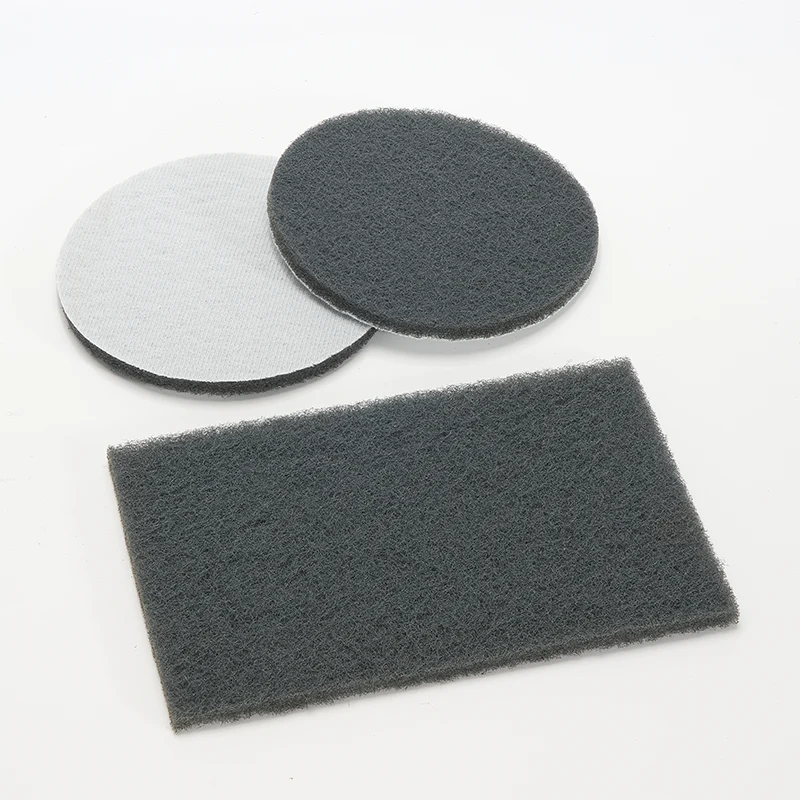
Key Advantages of Non-Woven Fabrics
Non-woven fabrics offer several advantages over conventional textiles:
| Feature | Benefit |
|---|---|
| Lightweight | Reduces shipping costs and material usage |
| High Durability | Resistant to tearing and abrasion |
| Cost-Effective | Lower production costs compared to woven fabrics |
| Versatility | Applicable in medical, industrial, and consumer products |
| Absorbency & Filtration | Ideal for hygiene and filtration applications |
These features make non-woven fabrics suitable for products such as face masks, wipes, insulation, filters, and abrasive tools.
Non-Woven Fabrics vs Woven Fabrics: Which Should You Choose?
| Aspect | Non-Woven Fabrics | Woven Fabrics |
|---|---|---|
| Production Speed | Fast and scalable | Slower, labor-intensive |
| Strength | Moderate, tailored per application | Generally higher tensile strength |
| Cost | Economical | More expensive due to weaving process |
| Customization | Easy to modify properties | Limited flexibility |
For industries like abrasives and filtration, non-woven fabrics often outperform woven fabrics in terms of adaptability and cost efficiency.
Industrial Applications
Dongguan King Abrasives Co., Ltd. leverages non-woven fabrics in multiple sectors:
-
Abrasives: Used in sanding pads, polishing discs, and surface finishing tools.
-
Medical & Hygiene: Ideal for disposable masks, surgical gowns, and wipes.
-
Filtration: Effective in air and liquid filters due to high porosity.
-
Automotive: Insulation, soundproofing, and interior components.
-
Packaging: Protective packaging materials that are lightweight yet strong.
This versatility highlights why non-woven fabrics are a cornerstone for modern industrial solutions.
Why Companies Prefer Non-Woven Fabrics
-
Customization: Non-woven fabrics can be engineered for specific thickness, density, and abrasiveness.
-
Sustainability: Many non-woven fabrics are recyclable or biodegradable, aligning with environmental goals.
-
Enhanced Performance: For abrasive applications, these fabrics provide uniform cutting or polishing, extending tool life and improving finish quality.
-
Economic Efficiency: Lower production costs and faster manufacturing cycles reduce overall expenditure.
Selecting the Right Non-Woven Fabric for Your Needs
Choosing the right type depends on your intended use. Here's a quick guide:
-
For Abrasives: Medium to high-density fabrics with bonded fibers.
-
For Filtration: High-porosity fabrics for maximum air or liquid flow.
-
For Hygiene Products: Soft, absorbent, and skin-friendly materials.
-
For Packaging: Lightweight, tear-resistant fabrics for safe transport.
By understanding these specifications, companies can optimize performance while minimizing costs.
At Dongguan King Abrasives Co., Ltd., we pride ourselves on delivering premium non-woven fabrics that meet industry standards and client expectations. Our fabrics are carefully engineered to balance durability, cost-efficiency, and performance, ensuring your products stand out in a competitive market. Whether you're enhancing your abrasive tools or creating high-quality hygiene products, our solutions are designed to elevate your production capabilities.
Contact us today to learn how our non-woven fabrics can transform your products and operations. Let Dongguan King Abrasives Co., Ltd. be your trusted partner in quality, innovation, and reliability.