

Why Is Polyester Binding Webbing Essential for Durable and Reliable Products?
2026-10-21
Polyester Binding Webbing is an important material for manufacturers seeking reliable edge finishing, reinforced seams, and long-lasting product performance. From bags and backpacks to outdoor equipment, luggage, protective covers, and industrial textile products, binding webbing helps improve structural integrity while delivering a clean, professional appearance. Choosing the right material can influence product durability, manufacturing efficiency, and customer satisfaction.
Compared with ordinary binding materials, polyester offers a practical combination of strength, abrasion resistance, dimensional stability, and versatility. For businesses looking for dependable textile components, Baitengxin Webbing Industry (Jiangsu) Co., Ltd. provides a professional option for exploring webbing solutions that meet different product requirements.
What Makes Polyester Binding Webbing a Reliable Material?
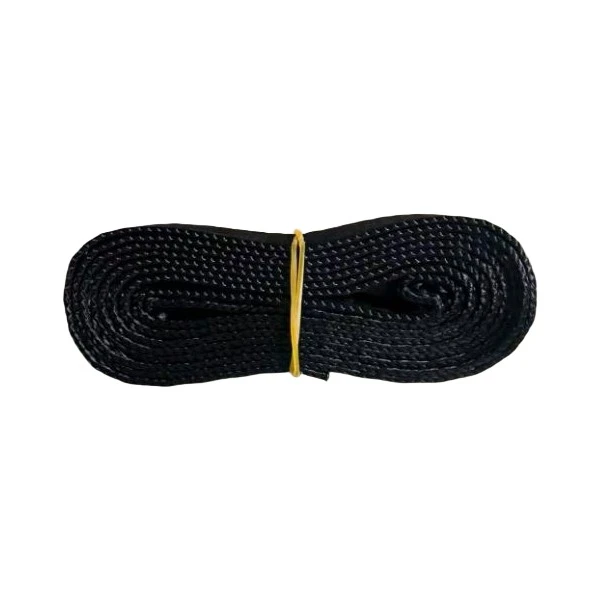
Polyester Binding Webbing is manufactured from polyester fibers and designed to reinforce, cover, or finish the edges of various products. Its woven construction provides flexibility while helping maintain the shape and stability of the finished item.
The material is particularly suitable for applications where products experience repeated handling, friction, or exposure to changing environmental conditions.
Key characteristics include:
-
High tensile strength: Helps withstand pulling forces and supports demanding everyday applications.
-
Abrasion resistance: Reduces surface wear caused by frequent friction and handling.
-
Dimensional stability: Helps maintain consistent performance with relatively low stretching under normal use.
-
Moisture resistance: Absorbs less moisture than many natural fibers, making it suitable for various indoor and outdoor products.
-
Versatile appearance: Can be produced in different widths, colors, and constructions to match product designs.
-
Easy integration: Can be incorporated into sewing and textile assembly processes using appropriate production methods.
These properties make Polyester Binding Webbing a useful choice for manufacturers balancing functional performance, appearance, and production requirements.
How Does Polyester Binding Webbing Improve Product Performance?
The primary purpose of binding webbing is not simply to cover exposed edges. It can also improve the usability, durability, and visual consistency of the finished product.
1. Reinforces Edges and Seams
Exposed textile edges may fray, unravel, or become damaged through repeated use. Applying binding webbing helps cover these edges and provides additional protection around seams.
In bags, backpacks, and luggage, it can help protect vulnerable areas that experience frequent contact with surrounding surfaces. In protective textile products, it can provide a neater finish while supporting edge integrity.
2. Enhances Abrasion Resistance
Products used in transportation, outdoor activities, and industrial environments often encounter friction. Polyester Binding Webbing helps protect bound edges from direct wear, potentially extending the service life of the finished product.
Actual durability depends on the webbing construction, yarn quality, sewing method, and operating environment.
3. Creates a Professional Appearance
A consistent binding finish can improve the perceived quality of textile products. Manufacturers can select suitable colors, widths, and textures to complement their designs or reinforce brand identity.
This is especially important for luggage, fashion accessories, sports equipment, and consumer products where appearance influences purchasing decisions.
4. Supports Efficient Manufacturing
Webbing that matches a product's specifications can simplify material handling and assembly. Consistent width, thickness, and construction help manufacturers maintain repeatable production results.
For bulk production, selecting the right binding material at the beginning can reduce fitting difficulties, unnecessary adjustments, and avoidable material waste.
Which Applications Benefit Most from Polyester Binding Webbing?
Polyester Binding Webbing serves a wide range of industries because it combines functional reinforcement with flexible design options.
| Application | Main Function | Key Benefit |
|---|---|---|
| Bags and backpacks | Edge finishing and reinforcement | Better wear protection |
| Luggage and travel accessories | Protecting seams and edges | Improved durability |
| Outdoor equipment | Finishing exposed textile edges | Practical weather resistance |
| Automotive textiles | Binding selected fabric components | Consistent edge finishing |
| Furniture and upholstery | Covering fabric edges | Cleaner appearance |
| Protective covers | Reinforcing fabric boundaries | Improved edge integrity |
| Sports equipment | Finishing textile components | Reliable everyday performance |
The ideal specification depends on the product's expected load, frequency of use, exposure conditions, and required appearance.
Polyester Binding Webbing vs. Nylon Binding Webbing: What Is the Difference?
Polyester and nylon are both widely used synthetic fibers, but their performance characteristics differ. Understanding these differences helps buyers select materials according to their actual application requirements.
| Comparison Factor | Polyester Binding Webbing | Nylon Binding Webbing |
|---|---|---|
| Moisture absorption | Generally lower | Generally higher |
| Dimensional stability | Typically very good | Depends on construction and conditions |
| Abrasion resistance | Good to very good | Often excellent |
| Elasticity | Generally lower | Generally higher |
| UV performance | Often favorable with suitable construction | Depends on fiber grade and UV stabilization |
| Typical applications | Outdoor textiles, luggage, general-purpose binding | High-wear products, load-bearing accessories, specialized applications |
Polyester is often a strong option when low moisture absorption, dimensional stability, and outdoor suitability are priorities. Nylon may be preferable when high abrasion resistance, toughness, or greater elasticity is required.
Neither material is universally superior. Buyers should compare the specific webbing construction, load requirements, environmental exposure, and total product cost before making a final decision.
How Can Buyers Choose the Right Polyester Binding Webbing?
Selecting suitable webbing requires more than comparing prices. The material must meet the technical and production requirements of the finished product.
1. Determine the Required Width
Webbing width affects edge coverage, sewing compatibility, and overall appearance. Narrower options may suit lightweight accessories, while wider constructions may be more appropriate for larger textile components.
2. Evaluate Thickness and Construction
Thickness, weave density, and yarn specifications influence flexibility, strength, and surface texture. Buyers should confirm that the selected construction works with their sewing equipment and product design.
3. Consider Color and Surface Finish
Color consistency is important for brands producing multiple product batches. Depending on the application, buyers may also need to evaluate texture, gloss, softness, and resistance to fading.
4. Match Performance to the Environment
Outdoor products may require additional attention to UV exposure, moisture, temperature changes, and abrasion. Products used in demanding environments should be evaluated against their actual operating conditions rather than relying on general material descriptions.
5. Confirm Quality and Supply Consistency
For bulk purchasing, consistent specifications and reliable delivery are essential. Buyers should request samples, review applicable technical data, and confirm inspection requirements before placing large orders.
A practical purchasing checklist includes:
-
Required width, thickness, and color
-
Intended application and expected service conditions
-
Tensile strength and abrasion requirements
-
Sewing and assembly compatibility
-
Sample approval and quality inspection standards
-
Minimum order quantity, lead time, and packaging requirements
Why Is Supplier Selection Important for Bulk Buyers?
The quality of Polyester Binding Webbing directly affects manufacturing consistency and the finished product's performance. However, material selection is only one part of a successful sourcing decision.
A dependable supplier should communicate specifications clearly, maintain consistent production standards, and respond efficiently to changing project requirements.
For manufacturers and wholesalers, evaluating a supplier involves several important considerations:
-
Product consistency: Stable specifications help reduce variation between production batches.
-
Technical communication: Clear discussions about width, construction, color, and application reduce purchasing errors.
-
Customization capabilities: Flexible specifications can help meet different product designs and market requirements.
-
Production capacity: Reliable supply planning supports continuous manufacturing.
-
Quality management: Appropriate inspection procedures help ensure that delivered materials match agreed specifications.
Baitengxin Webbing Industry (Jiangsu) Co., Ltd. is a potential sourcing partner for businesses exploring webbing materials for textile manufacturing and related applications. Buyers can discuss their project requirements with the company to determine suitable product specifications and sourcing arrangements.
Conclusion: Invest in the Right Binding Material for Better Results
Polyester Binding Webbing plays an important role in protecting textile edges, improving product appearance, and supporting dependable manufacturing performance. Its combination of strength, abrasion resistance, dimensional stability, and versatility makes it suitable for bags, luggage, outdoor equipment, furniture, and many other applications.
The best choice depends on the required dimensions, construction, environmental conditions, and quality expectations. By evaluating these factors carefully and working with a suitable supplier, manufacturers can improve product consistency while managing production costs more effectively.
If you are sourcing Polyester Binding Webbing for your next manufacturing project, Baitengxin Webbing Industry (Jiangsu) Co., Ltd. can be contacted to discuss your application requirements, product specifications, and potential supply options. Contact us to explore suitable webbing solutions and find the right material for your business needs.